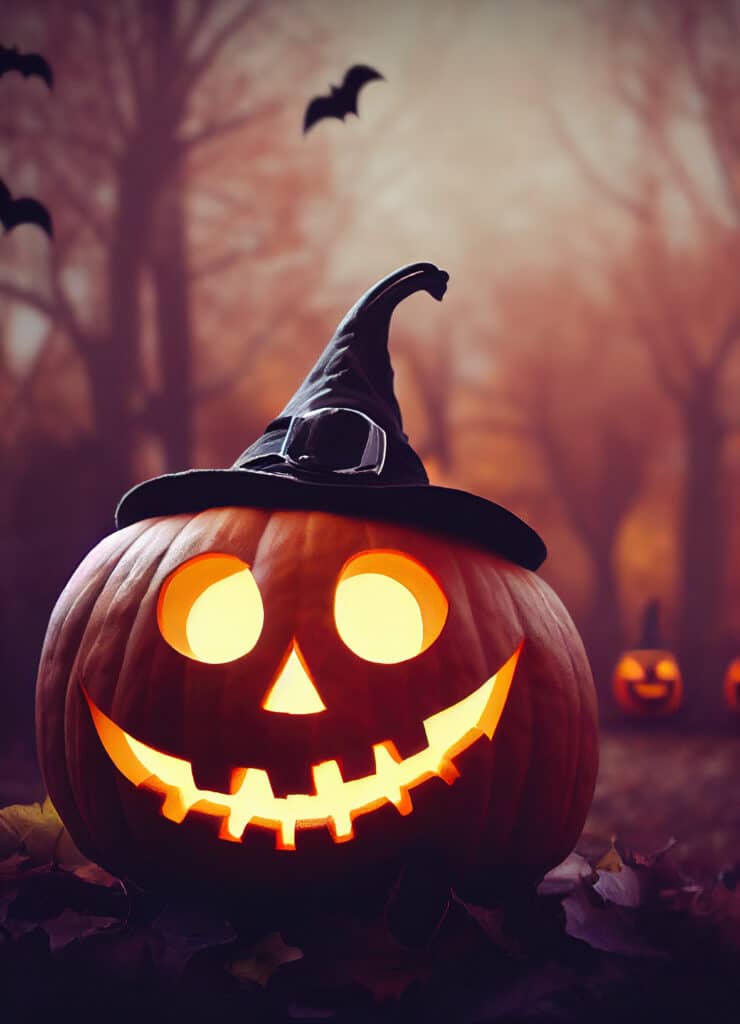
Generally, fear is not an emotion we seek to experience. Except.. every year at the end of October. This is the time when we welcome scary sights and even create them around our dwellings. So what gives? Why does death and scariness suddenly become fun and not something to be afraid of? And can having zombies coming out of the ground as part of the seasonal culture be good for us?
Turns out – yes. Professors at the University of Delaware say that perceived danger makes us feel more alive. They believe that a little bit of fake horror makes dealing with our vulnerability in real life just a bit easier. We understand that the danger is not real and that we have control. Halloween allows people to experience that primal adrenaline rush while feeling safe at the same time. The anticipation of being scared can cause us to be tense and nervous, so when the scare finally happens, we get a sense of relief and a release of endorphins in the brain.
But fear does not just feel good, it can actually be good for your body. A study by the University of Westminster reports that watching a 90-minute horror movie could burn as much as 113 calories. The adrenaline raises your heart rate and increases the body’s metabolic rate, the speed at which stored energy is consumed — so watching horror films could also help with weight loss.
Other experts at Coventry University reveal that being scared may give your immune system a temporary boost by triggering your fight-or-flight response. They took blood samples from volunteers before, during and after sitting quietly in a room or watching a horror film.
In a paper published in the journal Stress, they reported that levels of white blood cells, usually boosted in response to infection, were increased.
Another unexpected (or maybe quite explicable) perk of watching scary movies is that they can be good for your love life and even make less attractive men more appealing to women. When you are afraid, the brain releases a chemical called phenylethyl-amine, which is responsible for euphoria and other warm-and-fuzzy feelings.
Of course, getting scared on purpose may not be for everyone. If you’ve experienced trauma, scary scenes can cause unpleasant memories to resurface and result in distress instead of relief that usually follows a fake scare. Same applies to people with heart conditions for whom getting scared might be quite literally a deadly thing. Cardiologists at the University of Maryland found that watching a horror film caused a reduction of blood flow and a rise of blood pressure. Again, this is an effect of adrenaline. Researchers in Netherlands discovered that watching horror increased the risk of blood clots – possibly because thickening the blood is the body’s way of bracing for anticipated heavy bleeding.
Whatever meaning you put into Halloween for yourself, like anything else in life, it can mean something slightly different (or nothing at all) to your neighbors or friends. As always, practicing mindfulness and awareness can be your best bet around any holiday.